

Current BIG-TCR Trainees
| Name | Appointed | Affiliation |
|---|---|---|
| January 1, 2025 – December 31, 2025 | McWilliams School of Biomedical Informatics at UTHealth Houston | |
| January 1, 2025 – December 31, 2025 | The University of Texas MD Anderson UTHealth Houston Graduate School of Biomedical Sciences | |
| June 1, 2024 – May 31, 2025 | McWilliams School of Biomedical Informatics at UTHealth Houston | |
| January 1, 2025 – December 31, 2025 | McGovern Medical School at UTHealth Houston | |
| January 1, 2025 – December 31, 2025 | McWilliams School of Biomedical Informatics | |
| January 1, 2025 – December 31, 2025 | MD Anderson Cancer Center UTHealth Houston Graduate School of Biomedical Sciences | |
| January 1, 2025 – December 31, 2025 | MD Anderson Cancer Center UTHealth Houston Graduate School of Biomedical Sciences | |
| January 1, 2025 – December 31, 2025 | McGovern Medical School | |
| January 1, 2025 – December 31, 2025 | The University of Texas MD Anderson UTHealth Houston Graduate School of Biomedical Sciences | |
| January 1, 2025 – December 31, 2025 | McWilliams School of Biomedical Informatics at UTHealth Houston | |
| January 1, 2025 – December 31, 2025 | McWilliams School of Biomedical Informatics at UTHealth Houston | |
| January 1, 2025 – December 31, 2025 | McWilliams School of Biomedical Informatics at UTHealth Houston | |
| January 1, 2025 – December 31, 2025 | McGovern Medical School at UTHealth Houston | |
| January 1, 2025 – December 31, 2025 | MD Anderson Cancer Center UTHealth Houston Graduate School of Biomedical Sciences |
Citu, PhD
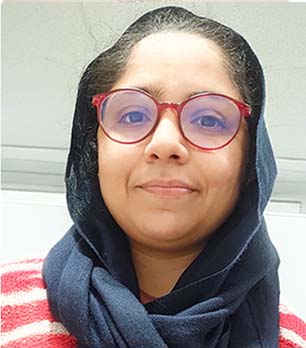
Affiliation: McWilliams School of Biomedical Informatics at UTHealth Houston
Appointed: January 1, 2025 – December 31, 2025
Personal Statement:
My academic journey has been dedicated to analyzing large-scale omics data using bioinformatics approaches. As a postdoctoral researcher in UTHealth, I will focus on investigating viral transcriptional regulators (vTRs) and virus integration sites, exploring their impact on cancer. The CPRIT BIG-TCR Fellowship provides invaluable training and networking opportunities, empowering me to advance precision health through innovative bioinformatics and interdisciplinary collaboration.
Primary Mentor: Dr. Zhongming Zhao
Project Title: Developing the atlas of viral transcriptional regulators and assessing the impacts of virus integration sites in cancer
Brief Introduction of The Project:
Viruses hijack multiple cellular pathways to manipulate host gene expression. They promote their replication by encoding viral transcriptional regulators (vTRs) and by integration into the genome. These processes can lead to various cancers, including liver cancer and lymphomas. Our current research will aim to identify viral transcriptional regulators from diverse viral species using an ensemble approach, characterize viral integration sites using deep learning, and assess the impact of viral integration sites in various cancers.
Lana Al Hasani, MS
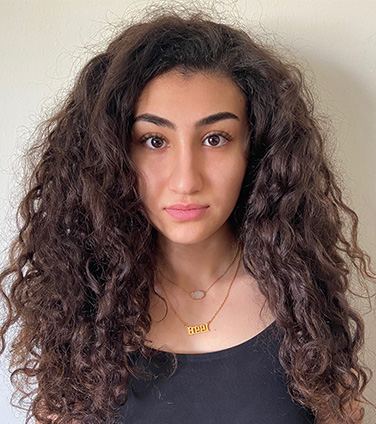
Affiliation: The University of Texas MD Anderson UTHealth Houston Graduate School of Biomedical Sciences
Appointed: January 1, 2025 – December 31, 2025
Personal Statement:
As a PhD student, I am delving into the transcriptional regulation mechanisms of extrachromosomal DNA (ecDNA) in cancer, focusing on how RNA modifications and RNA binding proteins influence oncogenes expressed on ecDNA. My research integrates advanced genomic and epigenomic techniques, bioinformatics, and experimental methods for studying ecDNA-mediated transcriptional regulation. My goal is to develop a systems-level understanding of ecDNA processes and identify potential therapeutic targets for ecDNA-expressing cancers.
Primary Mentor: Dr. Wenbo Li
Project Title: Elucidating the Role of RNA-Binding Proteins in ecDNA-driven Oncogene Activation and Tumor Growth
Brief Introduction of The Project:
Gene transcription can be regulated by aberrant forms of DNA structures. Extrachromosomal DNA (ecDNA) represents a recently reported, yet poorly understood, type of DNA formation. ecDNAs have been hypothesized to form hubs that act as transcriptional centers of gene regulation within the nucleus, facilitating the interaction of regulatory elements with target genes to enhance the transcription of the oncogenes located on ecDNA. Despite some progress, we still have limited understanding of regulatory factors involved in ecDNA nuclear clustering and its transcriptional activation. Our lab has recently reported the roles of regulatory RNA binding proteins (RBPs) in shaping nuclear condensate and gene transcription, raising a possibility that these regulatory machinery play similar roles in ecDNA. This project tests a central hypothesis that RBPs play roles in the formation of ecDNA hubs and their transcriptional regulation. This study aims to unravel new molecular mechanisms behind the formation, regulation and function of ecDNA.
Xiaomin Liang, MS
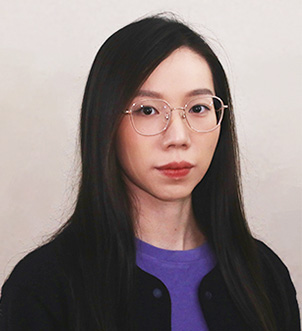
Affiliation: McWilliams School of Biomedical Informatics at UTHealth Houston
Appointed: June 1, 2024 – May 31, 2025
Personal Statement:
My academic and professional journey has convinced me that a career in cancer research offers immense diversity and fulfillment. I am fully aware of the importance of cancer screening, diagnosis, and treatment accuracy based on medical imaging. One of my projects for inverted papilloma attachment segmentation aims to reduce the probability of receiving wider resection, chemotherapy, or radiotherapy, which means patients could have a better prognosis. My ambition is to work within clinical institutions, contributing to the development of innovative therapies and enhancing the quality of life for cancer patients. I am enthusiastic about embracing innovative ideas from various domains and collaborating on cancer-related projects.
Primary Mentor: Dr. Luca Giancardo
Project Title: Automatic Segmentation Methods with Weak and Missing Labels in Cancer Medical Images
Brief Introduction of The Project:
Our goal is to devise a versatile deep-learning technique to address the lack of precise voxel-level labels and pave the way for more effective image segmentation in cancer medical imaging that can be readily deployed in clinical settings. Advanced machine learning segmentation algorithms can only be trained with the precise labeling of voxels for each image, a task known to be exceedingly challenging due to its demands on expertise, time, and cost. This challenge becomes particularly pronounced when one considers that voxel-level manual labeling is not a standard practice in clinical settings for cancer treatment, except for cases related to radiation therapy treatment planning. However, many clinical datasets are equipped with weak voxel labels, characterized by bounding boxes and image-level descriptions. Consequently, an urgent imperative exists for the development of automatic segmentation methods capable of learning from uncertain voxel and image-level labels and handling missing data. This approach holds significant promise for cancer care applications such as precise cancer surgery guidance.
MinHye Noh, PhD

Affiliation: McGovern Medical School at UTHealth Houston
Appointed: January 1, 2025 – December 31, 2025
Personal Statement:
My academic journey began with a deep dive into the field of tumor immunology, driven by a passion for understanding the molecular mechanisms underlying cancer development and progression. Currently, my research focuses on elucidating how tumors and tumor microenvironments respond to oncolytic virus (OV) therapy and developing novel therapeutic OVs to enhance their therapeutic efficacy. My ultimate career goal is to become an independent principal investigator specializing in cancer-focused translational research. In the near term, I aim to gain expertise in utilizing OVs to treat glioblastoma (GBM), one of the deadliest brain tumors.
Primary Mentor: Dr. Ji Young Yoo
Project Title: Targeted Modulation of miRNA-155 for Enhanced Viro-immunotherapy
Brief Introduction of The Project:
Despite the promising anti-tumor potential of oncolytic virus (OV) therapy, only a small subset of glioblastoma (GBM) patients experiences survival benefits, largely due to both intrinsic and extrinsic (i.e., the tumor microenvironment (TME)) resistance mechanisms. This project aims to investigate the role of microRNA-155 (miR-155) in mediating this resistance. We aim to elucidate the mechanistic role of endogenous miR-155 in the anti-viral response to oncolytic herpes simplex virus-1 (oHSV) therapy within GBM cells and exploit the therapeutic potential of miR-155 inhibition in GBM therapy. By identifying the miR-155-mediated antiviral resistance mechanisms, we seek to evaluate the preclinical potential of targeted miR-155 inhibition. We anticipate that targeted inhibition of miRNA-155 will reprogram the tumor and TME, enhancing the efficacy of viro-immunotherapy and ultimately improving clinical outcomes for GBM patients.
Gang Qu, PhD
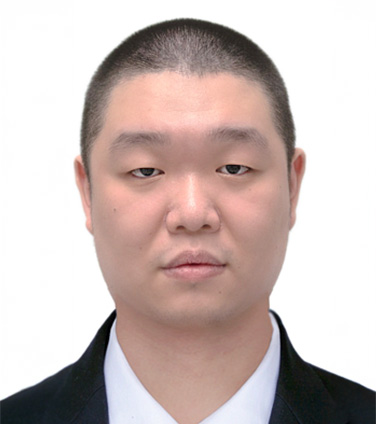
Affiliation: McWilliams School of Biomedical Informatics at UTHealth Houston
Appointed: January 1, 2025 – December 31, 2025
Personal Statement:
I am committed to advancing cancer research by integrating artificial intelligence with multi-omics
to improve personalized medicine. My research includes developing computational models to understand
complex disease mechanisms and creating AI-driven tools for cancer diagnosis and treatment. Through the
BIG-TCR Postdoctoral Training Program, I aim to further develop my computational skills and establish myself
as an independent leader in translational cancer research, focusing on lung cancer's genetic and behavioral risk factors.
Primary Mentor: Dr. Zhongming Zhao
Project Title: An AI-based Framework for Integrating Genetic and Behavioral Factors to Identify and Validate Key Contributors in Lung Cancer
Brief Introduction of The Project:
Lung cancer, a leading cause of cancer-related death, is influenced by genetic and environmental factors like
smoking and radon exposure. Our project proposes a novel AI framework, MIC-PGS Rank, which integrates multimodal
data to identify and validate key contributors to lung cancer. Using advanced algorithms and experimental validation,
this approach aims to prioritize and validate genetic and behavioral factors, improving prevention and treatment strategies.
The project will enhance understanding of lung cancer through data-driven insights, offering new avenues for targeted
interventions and contributing to both the BIG and TCR areas by bridging computational innovations with clinical applications,
aiming to transform cancer diagnostics and therapeutics.
Rachel Shoemaker, BS

Affiliation: The University of Texas MD Anderson UTHealth Houston Graduate School of Biomedical Sciences
Appointed: January 1, 2025 – December 31, 2025
Personal Statement:
Tumor suppressor p53 is the most commonly mutated gene in all human cancers, including in about 95% of osteosarcoma tumors.
These mutations disrupt normal cell function to promote tumor initiation and progression. One mechanism which can be disrupted
in cancer cells is alternative splicing, which changes the sequence of mRNA transcripts to produce unique proteins in a cell.
However, little is known about how missense mutations in p53 impact alternative splicing. For my research, I plan to elucidate
how p53 mutations promote alternative splicing dysregulation to enhance osteosarcoma tumor initiation and progression,
which will identify new targets for treatment.
Primary Mentor: Dr. Dung-Fang Lee
Project Title: Exploring the functional consequences of mutant p53-dysregulated alternative splicing in osteosarcomagenesis
Brief Introduction of The Project:
Missense mutations in p53 are found in over half of all cancers and promote new characteristics in cellular pathways to drive
cancer development. mRNA alternative splicing, a process affecting all mRNA transcripts, is often dysregulated in cancers.
Although p53 can indirectly influence alternative splicing, the direct impact of its missense mutations on this process remains unclear.
Using 3D protein modeling, sequencing analysis, and functional studies, I will study whether different p53 missense mutations
dysregulate alternative splicing in osteosarcoma cells by altering its interaction with SF3A2, a critical spliceosome component.
This research will enhance our understanding of osteosarcoma genesis and provide insights into the mechanisms behind mutant p53 variants,
with implications for other mutant p53-driven cancers. It will also identify mutant p53-induced alternative mRNA transcripts
that can be targeted by current FDA-approved compounds.
Arnav Solanki, PhD
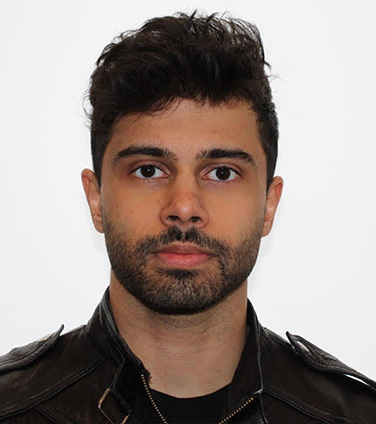
Affiliation: The University of Texas MD Anderson UTHealth Houston Graduate School of Biomedical Sciences
Appointed: January 1, 2025 – December 31, 2025
Personal Statement:
Problem-solving has always fascinated me. During my PhD at the University of Minnesota, I trained in computer engineering
and molecular biology, working on various omics data science projects. Now, as a postdoc at UTHealth, I aim to develop novel
data processing algorithms for cancer therapy. My objectives include improving drug candidate decisions, modeling cancer mechanisms,
and predicting cancer risk. For my upcoming project, I will focus on developing interpretable AI methods for cancer therapy.
Primary Mentor: Dr. Wenjin Jim Zheng
Project Title: The Use of Emerging Artificial Intelligence Models to Interpret Cancer Bioinformatics Data
Brief Introduction of The Project:
Cancer remains an unsolved disease, demanding multidisciplinary expertise to fight against. In recent years, vast amounts of
transcriptomic data have accumulated across numerous cancer studies, ideal for big data methods such as Machine Learning (ML) models.
While many such models exist, a mechanistic model that understands the biological system’s underlying mechanics is still missing.
This fellowship proposal aims to develop Artificial Intelligence (AI) models with high prediction accuracy and interpretability,
focusing on cancer-related pathways like PI3K/AKT/mTOR. These predictions will be tested through experimental means such as
knockout and drug assays to validate the models.
Yichun Wang, PhD
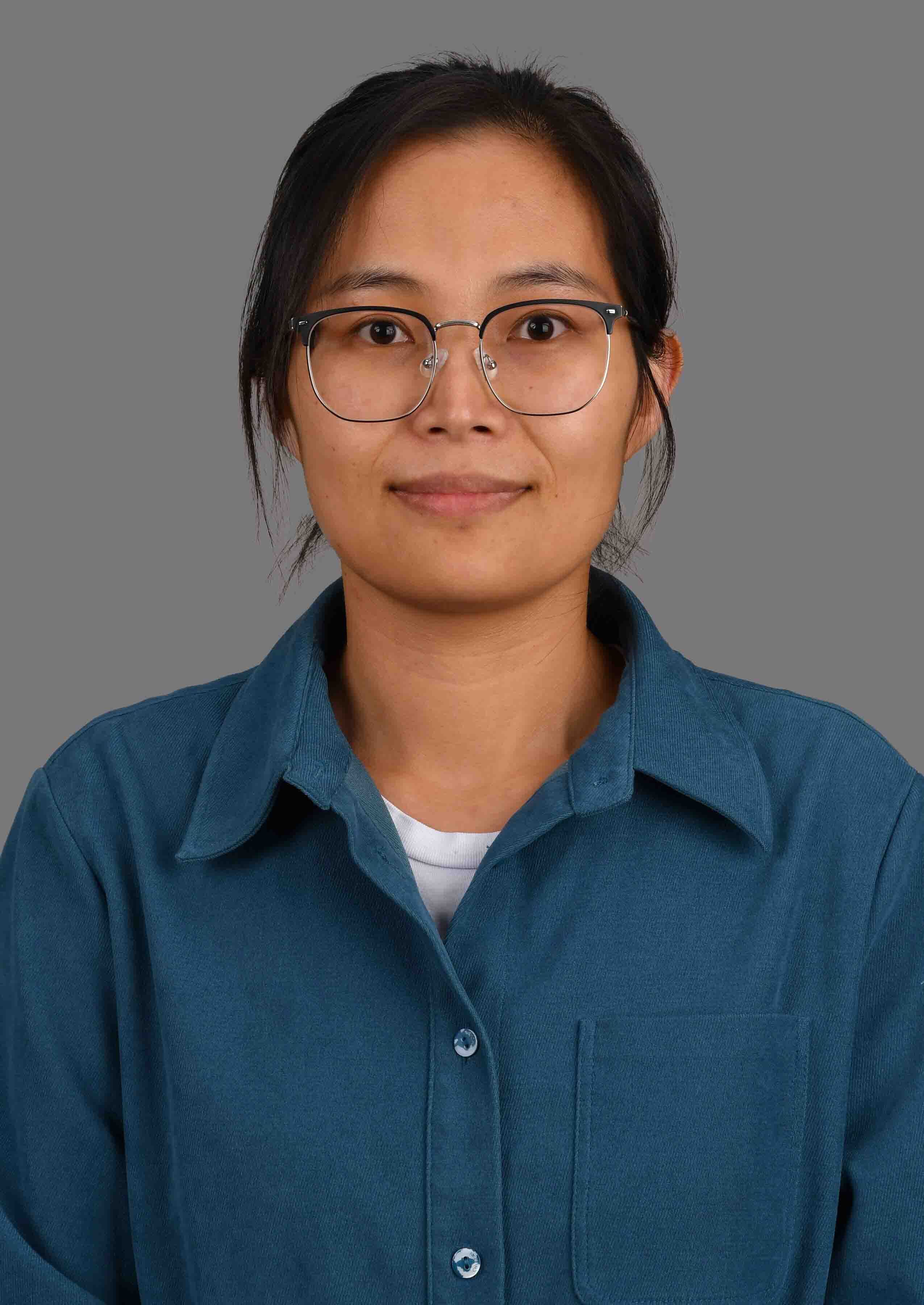
Affiliation: McGovern Medical School at UTHealth Houston
Appointed: January 1, 2025 – December 31, 2025
Personal Statement:
I am committed to studying the functional role and mechanism of eRNAs (enhancer RNAs) in human breast cancers.
I will focus on identifying the enhancer programs and eRNA landscapes differently expressed between triple negative
breast cancer (TNBC) cells and their lung metastasis counterpart cell lines. I will select top deregulated eRNAs and
apply novel tools such as CRISPR-Cas13, ASO, and O-Map to study their functions in metastasis gene programs.
Primary Mentor: Dr. Wenbo Li
Project Title: The function of Enhancer RNAs in Triple Negative Breast Cancer Lung Metastasis
Brief Introduction of The Project:
Triple negative breast cancer (TNBC) tends to be more aggressive and has fewer treatment options compared to other subtypes.
TNBC lung metastasis refers to the spread of triple negative cancer cells to the lungs. One important feature of metastasis
is a dramatic transcriptional reprogramming of the cancer cells, often orchestrated by enhancers. Enhancer RNAs (eRNAs),
transcribed from enhancer regions, are thought to play key roles in metastasis gene regulation. This project will use
epigenomic methods to map eRNA landscapes in TNBC models and functionally validate their role in metastasis, aiming to identify new therapeutic targets.
BIG-TCR Affiliated Fellows
| Name | Appointed | Affiliation |
|---|---|---|
| January 1, 2025 – December 31, 2025 | MD Anderson Cancer Center UTHealth Houston Graduate School of Biomedical Sciences | |
| January 1, 2025 – December 31, 2025 | MD Anderson Cancer Center UTHealth Houston Graduate School of Biomedical Sciences |
Mariana Najjar, MS, PharmD
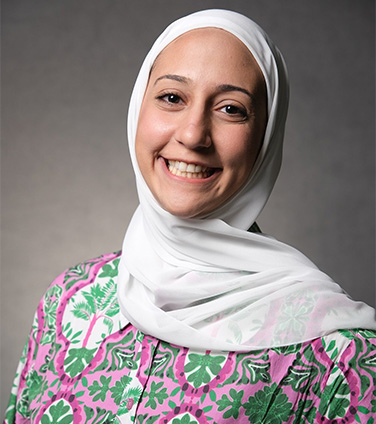
Affiliation: The University of Texas MD Anderson UTHealth Houston Graduate School of Biomedical Sciences
Appointed: January 1, 2025 – December 31, 2025
Personal Statement:
I am a second year PhD student at GSBS with a passion for cancer biology and therapy development. My research focuses on investigating
the specific processes that drive breast cancer growth and metastasis to the brain, identifying druggable targets, and developing
therapies that effectively penetrate the blood-brain barrier and the blood-tumor barrier. I am dedicated to advancing cancer research
by creating novel therapeutics to treat breast cancer brain metastases and significantly reduce breast cancer mortality in women.
My goal is to uncover novel treatments that improve patient outcomes and save lives, striving to make a lasting impact in oncology.
Primary Mentor: Dr. Hui-Wen Lo
Project Title: A novel BBB-permeable agent for therapeutic efficacy in breast cancer brain metastases
Brief Introduction of The Project:
Breast cancer brain metastasis (BCBM) is associated with poor prognoses due to the limited understanding of its underlying mechanisms
and the scarcity of effective therapies capable of crossing both the blood-brain barrier and blood-tumor barrier. My project focuses
on validating WF-229A as a novel pharmacological inhibitor of tGLI1, a promoter of BCBM, and identifying its mechanisms of action
and novel targets. Additionally, the aim of my project is to examine WF-229A’s ability to offer therapeutic benefits which include
the prevention and/or suppression of BCBM in vivo. Furthermore, this work lays the groundwork for potential novel combination
therapy modalities through assessing drug synergism between WF-229A and FDA-approved inhibitors for better treatment of BCBM.
Jihyun Park, MS
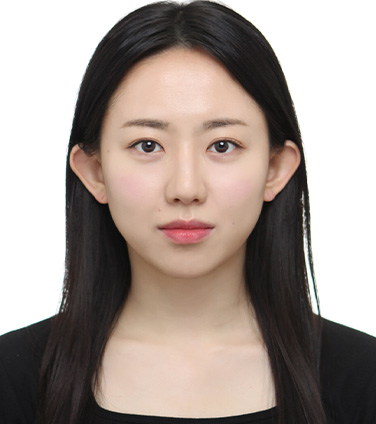
Affiliation: The University of Texas MD Anderson UTHealth Houston Graduate School of Biomedical Sciences
Appointed: January 1, 2025 – December 31, 2025
Personal Statement:
My goal is to investigate the underlying mechanisms of the immune system within tumors and further develop immunotherapeutic strategies.
During my master's, I took my first step toward becoming a cancer researcher. To pursue my interest in science with therapeutic
implications, I developed an antibody-cytokine fusion protein and identified its clinical feasibility.
My current research focus is on developing novel immunotherapies to target cold tumors, such as glioblastoma. I am particularly interested in leveraging bioinformatics to advance my understanding of translational science and determine the molecular mechanisms of action for novel immunotherapies.
Primary Mentor: Dr. Zhiqiang An
Project Title: Therapeutic strategies to treat glioblastoma targeting TREM2
Brief Introduction of The Project:
Glioblastoma (GBM) is the most prevalent and lethal type among primary brain tumors. The tumor microenvironment (TME) is highly
immunosuppressive, with myeloid cells constituting up to 50% of the total tumor mass, playing a crucial role in immune evasion.
Despite the severity, only four drugs have been approved by the FDA for glioblastoma treatment. To address this unmet medical need,
our primary objective is to develop novel immunotherapy by leveraging our expertise in translational cancer research and single-cell
transcriptomics. Through this interdisciplinary approach, we aim to elucidate the intricate mechanisms of immune remodeling within
the GBM microenvironment at various stages of disease progression, paving the way for more effective and personalized treatment strategies.
Hsiang-Ching (Adam) Tseng, MS

Affiliation: The University of Texas MD Anderson UTHealth Houston Graduate School of Biomedical Sciences (GSBS)
Appointed: January 1, 2025 – December 31, 2025
Personal Statement:
Driven by an interest in the structural basis of disease, I study the macromolecular complexes that coordinate essential cellular processes. My current research employs biochemical and biophysical methodologies to characterize the intrinsically disordered region (IDR) of MED13. Specifically, I am exploring the mechanistic link between MED13-IDR dynamics and transcriptional reprogramming in cancer, aiming to uncover how this flexible region governs transcription regulation.
Primary Mentor: Dr. Kuang-Lei Tsai
Project Title: Mechanistic Insights into MED13-IDR Regulation and Its Role in Cancer Development
Brief Introduction of The Project:
One hallmark of cancer is dysregulated gene transcription, and the Mediator complex is a central regulator of this process. It links RNA Polymerase II (Pol II) with transcription factors, promotes the assembly of the pre-initiation complex, and integrates signals from activators and repressors. Notably, our cryo-EM structure of the human Mediator complex showed that one component, MED13, has an intrinsically disordered region (IDR) that occupies the Pol II and MED26 binding sites on core Mediator (cMED), blocking their interaction and thereby suppressing transcription by preventing Pol II recruitment to the promoter. Although the MED13 IDR-mediated repression is better understood, the upstream signals and detailed mechanisms driving its dissociation remain unclear. No studies have addressed how post-translational modifications (PTMs) of MED13-IDR influence Mediator complex assembly or activity. This gap is especially significant given the lack of effective drugs targeting the Mediator complex, which limits therapeutic strategies to correct transcriptional dysregulation.
Ming-Hsiu Wu, MS
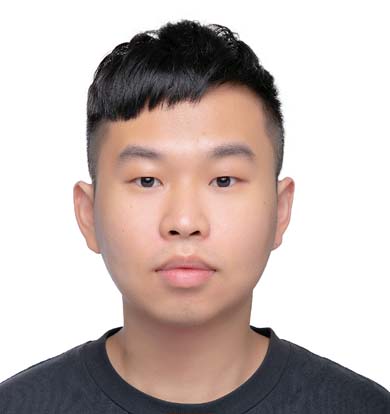
Affiliation: McWilliams School of Biomedical Informatics at UTHealth Houston
Appointed: January 1, 2025 – December 31, 2025
Personal Statement:
My primary research interest in biomedical informatics focuses on using artificial intelligence and computational modeling to enhance the accuracy, interpretability, and clinical relevance of protein–ligand binding affinity predictions. I am particularly committed to bridging the gap between structural biology, machine learning, and high-quality biochemical data to elucidate how small molecules interact with both wild-type and mutated proteins, with the ultimate goal of advancing precision oncology and drug discovery.
Primary Mentor: Degui Zhi
Project Title: Leveraging Autonomous AI Agents for Harmonizing Bioactivity Data in Structure-Based Drug Discovery
Brief Introduction of The Project:
Structure-based drug discovery relies heavily on large-scale bioactivity databases such as BindingDB and ChEMBL to train machine learning models for binding affinity prediction. However, the utility of these datasets is undermined by significant data heterogeneity — critical experimental conditions like pH, temperature, and assay type are often buried in unstructured scientific text rather than stored in standardized, machine-readable fields. This "assay noise" introduces systematic errors that limit model generalizability across biological contexts. Traditional curation approaches, whether manual or rule-based NLP, are either unscalable or insufficiently flexible to handle the linguistic variability of scientific literature. This project proposes leveraging autonomous AI agents — capable of reasoning, planning, and iterative self-correction — to retrospectively extract and harmonize assay metadata from published literature. By transforming noisy, heterogeneous bioactivity data into context-aware, standardized datasets, this framework aims to improve the reliability and reproducibility of AI-driven drug discovery pipelines.
Nida Saddaf Khan, PhD
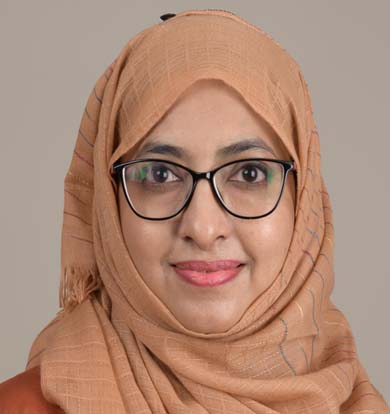
Affiliation: McWilliams School of Biomedical Informatics, University of Texas Health Science Center at Houston
Appointed: January 1, 2025 – December 31, 2025
Personal Statement:
I am a biomedical AI researcher developing advanced, multimodal artificial intelligence systems for early disease detection and clinical decision support. My work integrates medical imaging, speech, and clinical data to build interpretable tools that assist physicians in making timely and accurate diagnoses. Through the BIG-TCR fellowship, I aim to advance multimodal AI approaches for brain tumor detection, particularly in settings with limited access to specialized imaging. My long-term goal is to establish an independent academic research program focused on responsible, translational AI that improves diagnostic equity and supports precision medicine.
Primary Mentor: Dr. Xiaoqian Jiang
Project Title: NeuroAgent: Agentic Multimodal AI Framework for Early Brain Tumor Detection and Translational Decision Support
Brief Introduction of The Project:
Early brain tumor detection is often limited by restricted access to MRI, while CT remains the most widely available imaging modality but lacks sensitivity for subtle lesions. This project introduces NeuroAgent, an agentic multimodal AI framework that enhances CT-based tumor detection through MRI-guided cross-modality knowledge distillation. The system comprises specialized agents for CT detection, MRI representation learning, and fusion reasoning, producing calibrated tumor probability maps, volumetric biomarkers, and uncertainty estimates. By transferring MRI-derived anatomical priors into CT models, NeuroAgent aims to achieve MRI-level diagnostic sensitivity from CT-only inputs. The framework will be evaluated across heterogeneous clinical datasets and translated into a secure, web-based decision-support platform to support early neuro-oncologic diagnosis and equitable access to precision imaging analytics.
Wenbo Chen, MS
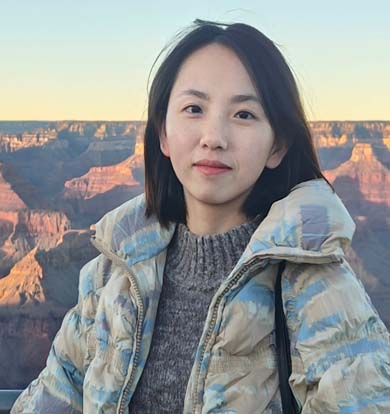
Affiliation: McWilliams School of Biomedical Informatics at UTHealth Houston
Appointed: January 1, 2025 – December 31, 2025
Personal Statement:
I am a PhD student in Biomedical Informatics focused on using artificial intelligence to better understand cancer biology. My research develops large language models that can interpret complex single-cell sequencing data and translate gene patterns into meaningful biological insights. By combining computational modeling with biomedical knowledge, I aim to improve how researchers identify cancer cell subtypes, tumor heterogeneity, and interpret functional gene programs. My long-term goal is to build reliable AI systems that help to generate clearer and more accurate interpretations of cancer data.
Primary Mentor: Dr. Wenjin Jim Zheng
Project Title: Automated Gene Module Discovery and Knowledge-Driven Functional Annotation for Single-Cell Cancer Transcriptomics Using Large Language Models
Brief Introduction of The Project:
This project develops an automated framework for discovering gene modules and generating functional summaries from single-cell cancer transcriptomic data using large language models (LLMs) and agentic AI systems. Single-cell RNA sequencing enables granular profiling of tumor heterogeneity, but interpreting large gene sets and functional programs remains labor-intensive and subjective. We integrate gene module discovery with LLM-based knowledge synthesis to produce comprehensive and biologically grounded functional annotations. Agentic AI components iteratively refine the interpretation by incorporating pathway databases and domain knowledge. This approach aims to improve scalability and interpretability in cancer transcriptomics. Ultimately, the project seeks to accelerate the identification of tumor subpopulations and functional programs that may inform potential drug targets and therapeutic research.
Yanan Jiang, PhD
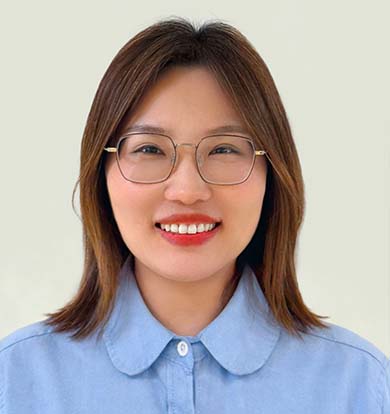
Affiliation: McGovern Medical School, Department of Biochemistry and Molecular Biology
Appointed: January 1, 2025 – December 31, 2025
Personal Statement:
My research centers on defining how chromatin-associated mechanisms drive leukemogenesis in acute myeloid leukemia (AML). I am particularly interested in how oncogenic mutations reprogram chromatin architecture to sustain aberrant transcriptional states and create therapeutic vulnerabilities. By integrating chromatin biology, functional genomics, and structure-guided modeling, I seek to uncover the fundamental principles linking epigenetic regulation to leukemia maintenance. My long-term goal is to build an independent research program that bridges chromatin biology and structural modeling to define actionable chromatin dependencies and advance mechanism-based therapeutic strategies for AML.
Primary Mentor: Xiaotian Zhang, Ph.D.
Project Title: Deciphering the Chromatin Regulatory Mechanisms of XPO1 in NPM1-Mutated Acute Myeloid Leukemia
Brief Introduction of The Project:
NPM1-mutated acute myeloid leukemia (AML) accounts for approximately 30% of adult cases and remains difficult to cure. While XPO1 is classically defined by its role in nuclear export, our recent work uncovers a previously unrecognized chromatin-associated function of XPO1 in leukemia. We found that XPO1 directly associates with chromatin, and its acute degradation induces global changes in chromatin accessibility and leukemic gene expression distinct from NPM1c loss. These findings suggest that XPO1 contributes to leukemia biology through mechanisms beyond nuclear export. This project combines chromatin proteomics, CRISPR-based functional genomics, and AI-guided structural modeling to define the molecular basis of XPO1–chromatin engagement. Ultimately, these studies aim to inform the development of next-generation therapies that selectively target XPO1’s oncogenic chromatin functions while preserving its essential cellular activity.
Yueh-Ming (Camellia) Shyu, MS
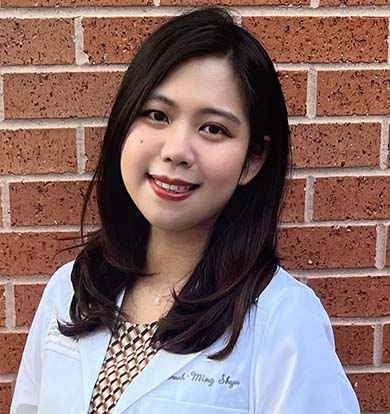
Affiliation: MD Anderson Cancer Center UTHealth Houston Graduate School of Biomedical Sciences
Appointed: January 1, 2025 – December 31, 2025
Personal Statement:
I am a Ph.D. researcher working to develop novel cancer treatments that are more precise and effective. My research focuses on designing targeted therapies for aggressive breast cancer, with the goal of improving outcomes for patients who currently have limited options. I am passionate about translating laboratory discoveries into real-world medical advances. Beyond research, I actively support scientific education and community outreach, and I enjoy mentoring students interested in science. I hope to contribute to a future where innovative cancer therapies are safer, smarter, and more accessible to the patients who need them.
Primary Mentor: Dr. Kendra S. Carmon
Project Title: Therapeutic Targeting of Adhesion Receptor GPR56 for the Treatment of Triple-Negative Breast Cancer
Brief Introduction of The Project:
This project investigates GPR56 as a novel therapeutic target in triple-negative breast cancer (TNBC), an aggressive subtype with limited treatment options and frequent resistance to therapy. We hypothesize that GPR56 promotes tumor survival through integrin–FAK–SRC signaling and contributes to adaptive resistance pathways. To address this, we are developing next-generation antibody–drug conjugates (ADCs) targeting GPR56 and evaluating their efficacy alone and in combination with PARP inhibitors across TNBC models with different BRCA1 status. In parallel, we will analyze residual tumors and engineered cell systems using transcriptomic profiling to identify mechanisms of resistance and predictive biomarkers. Together, this work aims to establish a new therapeutic axis, improve precision combination strategies, and guide biomarker-driven treatment approaches for TNBC.
BIG-TCR Alumni
| Name | Appointed | Affiliation |
|---|---|---|
| May 1, 2023 – April 30, 2025 | Vivian L. Smith Department of Neurosurgery, UTHealth Houston | |
| May 1, 2023 – April 30, 2024 (Grant year 02) | McWilliams School of Biomedical Informatics | |
| December 1, 2021 – November 30, 2022 (Grant year 01) | Department of Biochemistry and Molecular Biology, McGovern Medical School | |
| May 1, 2023 – April 30, 2024 | McWilliams School of Biomedical Informatics | |
| January 1, 2023 – December 31, 2023 (Grant year 01) | MD Anderson Cancer Center UTHealth Houston Graduate School of Biomedical Sciences | |
| December 1, 2021 – May, 2022 (Grant Year 01) | McWilliams School of Biomedical Informatics | |
| December 1, 2021 – November 30, 2022 (Grant Year 01) | McWilliams School of Biomedical Informatics | |
| December 1, 2021 – November 30, 2022 (Grant year 01) | McWilliams School of Biomedical Informatics | |
| January 1, 2023 – December 31, 2023 (Grant Year 01) | McWilliams School of Biomedical Informatics | |
| December 1, 2021 – November 30, 2022 | McWilliams School of Biomedical Informatics | |
| January 1, 2024 – December 31, 2024 | McWilliams School of Biomedical Informatics | |
| January 1, 2023 – December 31, 2024 | McGovern Medical School | |
| January 1, 2023 – December 31, 2024 | Department of Neurosurgery, UTHealth Houston | |
| January 1, 2023 – December 31, 2024 | McWilliams School of Biomedical Informatics | |
| January 1, 2023 – December 31, 2024 | MD Anderson Cancer Center UTHealth Houston Graduate School of Biomedical Sciences | |
| January 1, 2023 – December 31, 2024 | MD Anderson Cancer Center UTHealth Houston Graduate School of Biomedical Sciences | |
| June 1, 2024 – May 31, 2025 | McGovern Medical School | |
| January 1, 2025 – December 31, 2025 | Department of Integrative Biology and Pharmacology, McGovern Medical School at UTHealth Houston | |
| January 1, 2024 – December 31, 2025 | MD Anderson Cancer Center UTHealth Houston Graduate School of Biomedical Sciences |
Mahesh Prasad Bekal, PhD
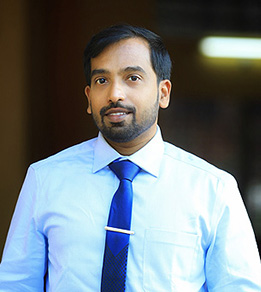
Affiliation: Vivian L. Smith Department of Neurosurgery, UTHealth Houston
Appointed: May 1, 2023 – April 30, 2025
Final Degree: Ph.D
Personal Statement:
My research aims to uncover the intricate relationship between the gut microbiome and brain function, specifically in response to radiation therapy. By investigating the impact of gut microbiome and their metabolites on radiation-induced cognitive dysfunction, I hope to identify potential therapeutic strategies that can mitigate cognitive dysfunction in patients with brain cancer. My work involves studying how radiation therapy affects the gut microbiome and metabolites, and how changes in the gut-brain connection can be used to improve outcomes for these patients. Ultimately, this research could identify new targets for therapeutic intervention and improve the quality of life for brain cancer patients undergoing radiation therapy.
Primary Mentor: Dr. Yoshua Esquenazi Levy
Project Title: Impact of fecal microbiome and metabolites on radiation-induced cognitive dysfunction
Brief Introduction of The Project:
Radiation therapy (RT) is a crucial treatment option for patients with brain tumors, but it can lead to radiation-induced cognitive dysfunction (RICD) in up to 90% of cases, significantly impacting their quality of life. Recent research has highlighted the crucial role of the gut microbiome and its metabolites in regulating central nervous system function, with potential implications for neurodegenerative disorders. Our preliminary data show that cranial RT induces gut microbiome changes and cognitive dysfunction in mice, and we aim to investigate whether fecal microbiome transplantation (FMT) or supplementation with SCFA-producing bacteria can prevent or alleviate RICD by modulating the host's microbial, metabolomics, and immunologic profiles. Our findings may provide translational strategies for improving the quality of life of brain tumor patients undergoing cranial RT.
Avisha Das, PhD
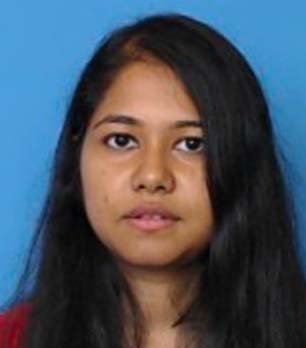
Affiliation: McWilliams School of Biomedical Informatics at UTHealth Houston
Appointed:May 1, 2023 – April 30, 2024(Grant year 02)
Final Degree: Ph.D in Computer Science (Fall 2020)
Personal Statement:
During my doctoral research, I have focused extensively on exploring and studying
the techniques to understand and provide solutions related to natural language-based tasks. A major portion of my research
effort was concentrated toward automated generative modeling of coherent textual content – both long (e.g., stories) and
short (e.g., Tweets) form. My current research interest involves developing an exhaustive knowledge resource for biomedical
topics through a multi-faceted approach through biomedical literature mining. My long-term objective is to be able to build
a comprehensive and automated knowledge-based data discovery tool through mining the various avenues and resources of
biomedical literature.
Primary Mentor: Dr. Wenjin Jim Zheng
Project Title: Building an Automated Tool for Knowledge and Data Discovery for Cancer Research: A Multi-Faceted Approach by Biomedical Literature Mining
Benxia Hu, PhD
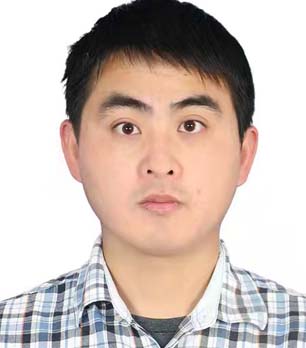
Affiliation: Department of Biochemistry and Molecular Biology, McGovern Medical School at UTHealth Houston
Appointed: December 1, 2021 – November 30, 2022 (Grant year 01)
Personal Statement: I am very interested in 3D genome architecture and bioinformatics.
Primary Mentor: Dr. Wenbo Li
Project Title: Dissecting the enhancer and promoter recognition code in cancer genome
Brief Introduction of The Project: Genetic changes of the cancer genome play important roles in gene deregulation and cancer progression. A large portion of the genetic changes take place in the non-coding part of the genome. However, mechanistic insights to understand how genetic changes contribute to cancer development remain limited. Our recent results uncovered an “enhancer release and retargeting” process (ERR), in which functional loss of gene promoters can aberrantly activate adjacent genes in the genome to modulate human disease risk. However, the commonality of ERR in cancer genome remains unknown. In this project, I plan to integrate omics and functional experiments to fully dissect the commonality of ERR in human cancer genome that can lead to oncogene deregulation. We expect that our work would provide insights into mechanisms underlying roles of non-coding genetic mutations in cancer, paving the way for new diagnostic and therapeutic strategies.
Tanjida Kabir, MS
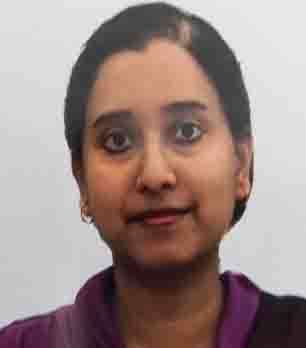
Affiliation: McWilliams School of Biomedical Informatics at UTHealth Houston
Appointed: May 1, 2023 – April 30, 2024
Final Degree: MS
Personal Statement:
I am a Ph.D. student at SBMI, and my long-term career goal is to establish myself as an independent scientist specialized in applying machine learning to biomedical datasets and discovering novel insights about diagnosis and treatment. I have always been interested in utilizing my expertise to benefit human health and quality of life. My research aims at performing impactful analysis on complex human diseases like cancer by integrating mathematics, machine learning, and computer vision. I believe my machine-learning and big-data analysis skills will help me gain valuable insight into cancer research.
Primary Mentor: Dr. Xiaoqian Jiang
Project Title: An Automated MRI Analysis Tool to Measure the Tumor Volume and Assess the Treatment Response for Glioblastoma
Brief Introduction of The Project: Glioblastoma is the most common and aggressive grade IV malignant glioma brain tumor. The median survival rate of Glioblastoma patients is 11 months. Newly diagnosed Glioblastoma patients often receive surgical resection, but complete tumor removal is often impossible due to its structure and position. Furthermore, surgical resection changes the structure of brain and tumor. Therefore, the residual contrast-enhancing tumor region becomes the survival predictor for patients. This proposal aims at designing an artificial-intelligence framework to quantify the residual tumor volume, assess treatment response, and potentially discover new combined biomarkers. This may help overcome human bias and lead to improved Glioblastoma treatment strategies.
Jiajinlong Kang, MS
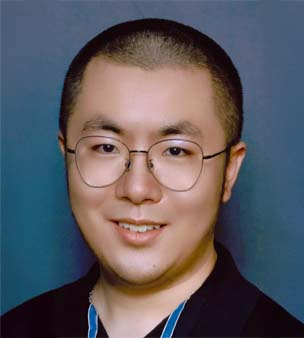
Affiliation: MD Anderson Cancer Center UTHealth Houston Graduate School of Biomedical Sciences
Appointed: January 1, 2023 – December 31, 2023 (Grant year 01)
Personal Statement:
I am a second-year PhD student in the Quantitative Science program and have been a GRA in Dr. Zhongming Zhao’s Bioinformatics and Systems Medicine lab in the Center for Precision Health since 2022. My long-term career goal is to become an established investigator in academia specializing in the study of major brain diseases using bioinformatic approaches. Currently, my research is centered around dissecting major brain diseases through integrating genetic, epigenetic and transcriptomic approaches, with an emphasis on systematic interrogation of the shared and unique signatures between glioma and Alzheimer’s disease.
Primary Mentor: Dr. Zhongming Zhao
Project Title: Spatially resolved clonal evolution in glioblastoma and its comparison with Alzheimer’s disease
Brief Introduction of The Project: Glioblastoma (GBM) is an aggressive brain malignancy. Single-cell sequencing and spatial transcriptomic sequencing have provided valuable insights into its transcriptional landscape, spatial organization, and evolutionary trajectory. However, it remains elusive if evolutionary GBM clones can be organized in alignment with underlying transcriptomic programs. It is also unclear if Alzheimer’s disease (AD), which converges with GBM on connections with both aging and inflammation, shares certain transcriptional programs. This project aims to develop a computational pipeline to construct a spatially resolved evolutionary tree in GBM and interpret the subclones using transcriptional programs, while exploring the shared dynamics between GBM and AD for potential combined drug discovery.
Aman Kaushik, PhD

Affiliation: McWilliams School of Biomedical Informatics
Appointed: December 1, 2021 – May, 2022 (Grant Year 01)
Final Degree: PhD
Personal Statement: TBD
Primary Mentor: TBD
Project Title: TBD
Brief Introduction of The Project: TBD
Fangfang Yan, MS
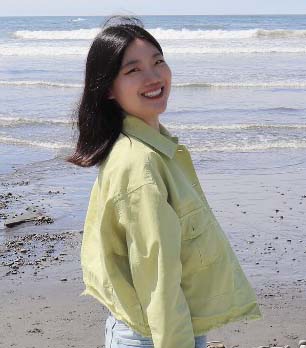
Affiliation: McWilliams School of Biomedical Informatics at UTHealth Houston
Appointed: December 1, 2021 – November 30, 2022 (Grant Year 01)
Personal Statement:
I’m a fourth year PhD student in bioinformatics and have been a GRA in Dr. Zhongming Zhao’s lab in the Center for Precision Health at SBMI since Fall 2018. Resistance to therapy is a major challenge in the cancer research area and caused by multiple determinants, such as heterogeneity, novel mutations, and tumor microenvironment. Applying bioinformatics approaches to cancer patients’ data will help unfold such determinants and greatly advance our understanding of underlying mechanisms and thus improve patients' outcomes.
Primary Mentor: Dr. Zhongming Zhao
Project Title: Dynamic Reprogramming and Evolution Associated with Sequential Resistance to Ibrutinib and CAR T therapy in Mantle Cell Lymphoma
Brief Introduction of The Project: Mantle cell lymphoma (MCL) is a heterogeneous B-cell lymphoma. Therapeutic relapse is a major medical challenge. Single-cell RNA sequencing (scRNA-seq) has revolutionized biology and enabled molecular profiling of individual cells, including tumor B cells and other immune cells in the tumor microenvironment. In this proposal, we propose to adapt and apply a random effect mixed model to deal with patient heterogeneity and batch effect issues. It will allow us to discover the differentially expressed genes and pathways across therapeutic sensitivity rather than among patients, as well as early drivers that result in therapeutic resistance.
Kimberly Rivera Caraballo, BS
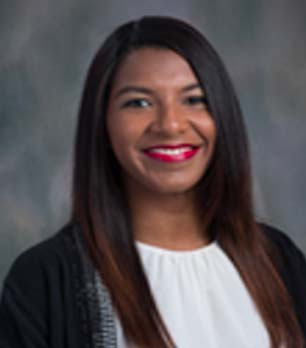
Affiliation: UTHealth Houston Department of Neurosurgery Cancer Biology Program; Translational Track
Appointed: December 1, 2021 – November 30, 2022 (Grant year 01)
Personal Statement:
At GSBS, I am training to become an independent translational investigator, focused on the development of innovative cancer therapeutics to target and regulate the tumor microenvironment and reduce tumor development. I am highly motivated to make a difference in the way we detect and treat cancer today and am also driven to mentor and guide young minds through the process of graduate school applications, finding research opportunities, and generating a career development plan. I envision myself leading a research laboratory, performing cutting-edge science at a leading institution, and as a leader that ensures inclusive professional growth of minorities and women.
Primary Mentor: Dr. Balveen Kaur
Project Title: Oncolytic Herpes Virus Armed with a Blocking Antibody to Treat Glioblastoma
Brief Introduction of The Project: My project aims to target a protein that promotes tumor growth and is highly expressed in glioblastoma, the most aggressive brain tumor with a median survival of 16 months with the current standard of care. Since oncolytic viruses such as herpes simplex virus type-1 (oHSV; Imlygic) have been FDA-approved to treat melanoma. We use an attenuated HSV-1 to potentially treat glioblastoma. oHSV relies on the defective immune response of cancer cells against viral pathogens to selectively propagate in and kill tumor cells while sparing healthy cells. Insertion of a sequence of interest into the viral DNA enables the virus to create a protein that can block pro-tumorigenic targets in tumor cells and reduce tumor progression. Thus, the generated oHSV serves as a targeted therapy against tumor cells: generates and delivers the inhibitory antibodies into these cells, reduces their viability, and can potentially improve the life expectancy of glioblastoma patients.
Toshiyuki Itai, MD, PhD
Affiliation: McWilliams School of Biomedical Informatics at UTHealth Houston
Appointed: January 1, 2023 – December 31, 2023 (Grant Year 01)
Personal Statement:
I am interested in analyzing complex traits, from congenital diseases (e.g., orofacial clefts and heart defects) to cancer, by combining genetic variants and single-cell RNA-sequencing data. I also have clinical experience in obstetrics, gynecology, including prenatal diagnosis and genetic counseling for hereditary cancer syndrome. My long-term career goal is to become a physician-scientist that can lead translational research projects bridging clinical and research fields in obstetrics/gynecology.
Primary Mentor: Dr. Zhongming Zhao
Project Title: Integrating expression profiles and genetic variants of high-grade serous ovarian cancer (HGSOC) and developing a deep learning model to predict prognosis of HGSOC
Brief Introduction of The Project:
Ovarian cancer is the fifth most common cause of cancer-related deaths among women, with HGSOC being the most aggressive. This project integrates sequencing and scRNA-seq data into a database, extracts gene modules, and develops a deep-learning model to predict prognosis and improve clinical management of HGSOC patients.
Surabhi Datta, MS
Affiliation: McWilliams School of Biomedical Informatics at UTHealth Houston
Appointed: December 1, 2021 – November 30, 2022
Personal Statement:
My research goals broadly fall in the area of clinical natural language processing (NLP) with particular focus on using NLP for extracting important information from free-text radiology reports. This work includes cancer-related findings, their locations, and characteristics, to support cancer risk prediction and automated tracking across time.
Primary Mentor: Dr. Kirk Roberts
Project Title: Automated tracking of cancer findings and medical devices across radiology reports over time
Brief Introduction of The Project:
My project aims to identify tumors and medical devices from radiology reports and track their characteristics (size, spread, etc.) across time for a given patient. This will allow clinicians to monitor cancer progression and device status more effectively.
Le Chang, PhD
Affiliation: McWilliams School of Biomedical Informatics at UTHealth Houston
Appointed: January 1, 2024 – December 31, 2024
Personal Statement:
I am a Postdoctoral Research Fellow at UTHealth's Center for Precision Health. My research focuses on analyzing and visualizing complex omics datasets, with a specific interest in the role of viral transcriptional regulators in cancer. I aim to develop computational tools that decode viral and host interactions.
Primary Mentor: Dr. Zhongming Zhao
Project Title: Decoding Tissue and Cell Type Specificity of Viral Transcriptional Regulators (vTRs) and Interactions in Cancer
Brief Introduction of The Project:
The project leverages computational frameworks to identify vTRs, analyze their host genome interactions, and evaluate their effects across tissues. This contributes to understanding the mechanisms of vTRs in cancers and informs potential therapeutic strategies.
Shin-Fu Chen, PhD
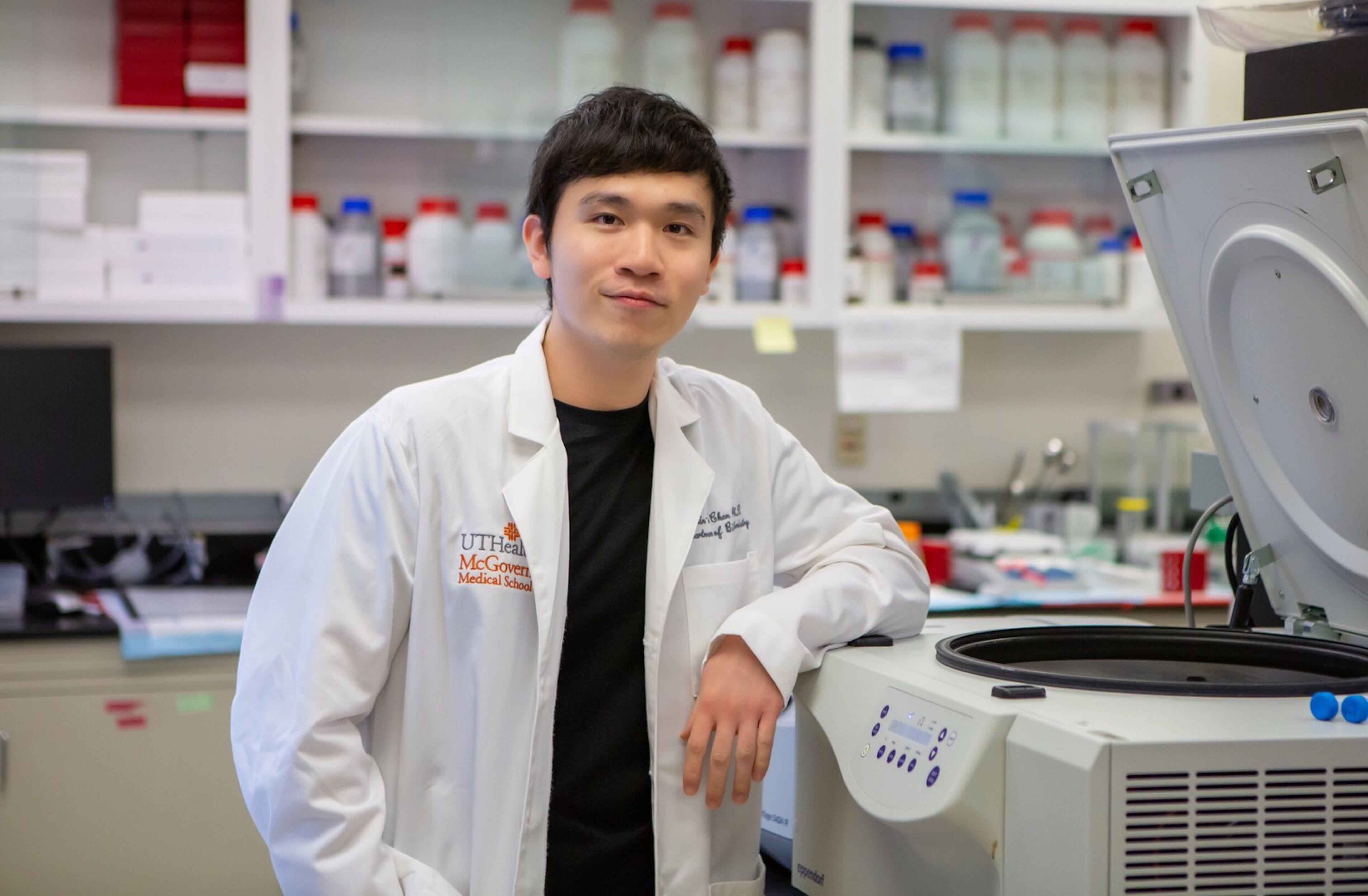
Affiliation: McGovern Medical School at UTHealth Houston
Appointed: January 1, 2023 – December 31, 2024
Personal Statement:
My research interest is to study molecular mechanisms of macromolecular complexes involved in essential cellular processes and cancer development by utilizing structural and biochemical approaches. Currently, I am investigating how mutations in transcriptional machinery contribute to cancers and cardiovascular disease.
Primary Mentor: Dr. Kuang-Lei Tsai
Project Title: Investigating CDK8-mediated interaction within the transcriptional machinery
Brief Introduction of The Project:
This project focuses on the Mediator-CDK8 kinase module complex and its regulation of transcription. By integrating structural biology, biochemistry, and cancer research methods, I aim to uncover mechanisms underlying disease-associated mutations in Mediator-CKM interactions and provide insights for novel therapeutic strategies.
Iona Hill, PhD
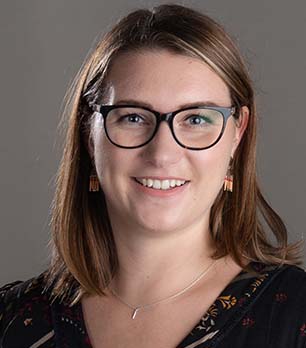
Affiliation: Department of Neurosurgery, UTHealth Houston
Appointed: January 1, 2023 – December 31, 2024
Personal Statement:
I have always been driven by research with a real-life application, particularly in the field of medicine. My background is in chemistry but during my PhD I expanded into biology, cancer therapy, and nanotechnology. I focus on using metallic nanoparticles in cancer therapy as radiosensitizing agents and continue this research as a postdoctoral fellow.
Primary Mentor: Dr. Sunil Krishnan
Project Title: Targeting PI3K/Akt Axis to Radiosensitize Pancreatic Cancer
Brief Introduction of The Project:
Pancreatic cancer is difficult to diagnose early and has poor survival outcomes. My project investigates agents that radiosensitize pancreatic tumors to enhance radiation therapy effectiveness. Using high-throughput screening, PI3K and mTOR inhibitors were identified as strong candidates. This work integrates drug validation and immune response profiling to improve treatment outcomes.
Ko-Hong Lin, MS
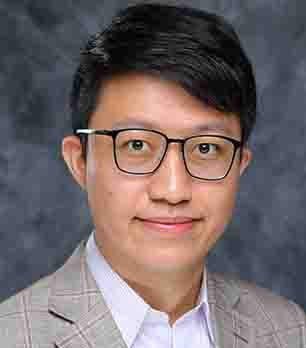
Affiliation: McWilliams School of Biomedical Informatics at UTHealth Houston
Appointed: January 1, 2023 – December 31, 2024
Personal Statement:
My research applies graph neural network (GNN) models to drug discovery for complex diseases. GNNs can integrate multimodal biological data to reveal hidden interactions and predict effective drug candidates. My long-term goal is to use deep learning to develop precision therapeutic strategies for cancer.
Primary Mentor: Dr. Xiaoqian Jiang
Project Title: A Comprehensive Drug Repurposing Study for Glioblastoma Multiforme
Brief Introduction of The Project:
Glioblastoma Multiforme (GBM) is one of the most aggressive brain cancers. This project develops a computational pipeline to identify repurposable drugs for GBM using GNN models, claims data, and validation in GBM cell lines and hiPSC models. The approach integrates AI and biomedical data to accelerate discovery of novel treatment strategies.
Trinh Thi Tuyet Phan, PhD
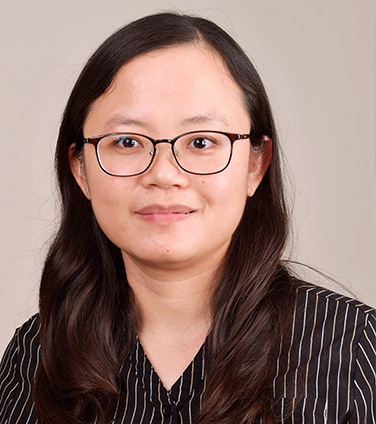
Affiliation: Department of Integrative Biology and Pharmacology, McGovern Medical School, The University of Texas Health Science Center at Houston
Appointed: January 1, 2025 – December 31, 2025
Personal Statement:
My research journey has been driven by a profound passion for cancer research, particularly the multifaceted roles of p53 in tumor development and progression. I am especially interested in uncovering the molecular drivers of cancer and applying these insights to develop effective therapies. The UTHealth BIG-TCR Postdoctoral Training Program in Cancer Research provides a valuable opportunity to expand my scientific knowledge, refine my research skills, and build essential professional competencies. This training is preparing me with the expertise and tools necessary to pursue a productive career in cancer research.
Primary Mentor: Dr. Dung-Fang Lee
Project Title: Integrated m6A and senescence targeting therapy for p53-mutant osteosarcoma
Brief Introduction of The Project:
My research investigates the role of the m6A reader YTHDF2 in p53-mutant osteosarcoma, a highly aggressive bone cancer. Mutations in the tumor suppressor p53 are prevalent in osteosarcoma and drive cancer progression through dysregulated signaling pathways. As mutant p53 itself is not a druggable target, exploring its downstream oncogenic signaling offers an important therapeutic strategy. Reportedly, mutant p53 hijacks the epitranscriptome to drive tumor development by transcriptionally upregulating YTHDF2. However, the full extent of YTHDF2’s role in regulating oncogenic signaling and its therapeutic implications in p53-mutant osteosarcoma remains poorly understood. My work aims to identify key molecular targets regulated by YTHDF2, linking their functions to cellular senescence in p53-mutant osteosarcoma, and propose a synergistic therapeutic strategy for this challenging cancer. By integrating basic and translational cancer research with biomedical informatics and genomics, this study seeks to advance therapeutic approaches for osteosarcoma and other cancers driven by p53 mutations.
Shraddha Subramanian, MS
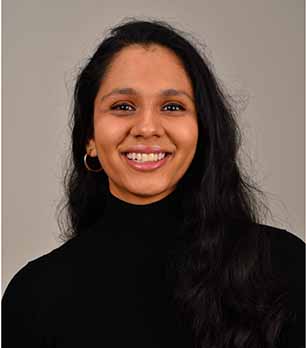
Affiliation: The University of Texas MD Anderson UTHealth Houston Graduate School of Biomedical Sciences
Appointed: January 1, 2024 – December 31, 2025
Personal Statement:
I am a 4th-year student pursuing my PhD at GSBS. My motivation to pursue a career in oncology research stems from the desire to identify cancer’s one flaw and bring us a step closer to making cancer history. Research in my lab is focused on investigating and therapeutically targeting the molecular players implicated in CRC progression. My long-term career goal is to become an independent investigator who will leverage innovative academic science and computational excellence to advance novel therapeutic concepts from the bench to the bedside.
Primary Mentor: Dr. Kendra S. Carmon
Project Title: Targeting Cancer Stem Cell Plasticity to Overcome Colorectal Cancer Resistance and Relapse
Brief Introduction of The Project:
A significant hurdle in colorectal cancer (CRC) treatment is the relapse of residual disease, which can be attributed to cancer stem cells (CSCs). CSCs are an immortal cell population that exhibit plasticity, allowing cells to alter their phenotype in response to environmental cues that bolster inherent drug resistance. As a bona fide marker of functional CSCs, the Leucine-rich repeat-containing G protein-coupled receptor 5 (LGR5) is a promising drug target. Our previous attempts at eliminating CSCs using antibody-drug conjugates (ADCs) against LGR5 resulted in an initial tumor regression that was reversed following treatment termination. This project aims to identify the mechanism underlying LGR5+ CSC plasticity and develop a therapeutic strategy to abrogate drug-resistant CRC tumors by co-targeting LGR5 and MET.