The mission of the IPM is to prevent perioperative organ injury. Perioperative organ injury is one of the leading causes of morbidity and mortality in western countries. If death within 30 days of surgery was defined as a single-standing entity by the Center for Disease Control, it would account for the third leading cause of death in the USA. In most instances, morbidity of surgical patients is attributable to acute organ dysfunction during the perioperative period, such as acute kidney injury, myocardial injury, acute lung injury, liver injury, intestinal injury, or sepsis. Importantly, many basic and clinical studies indicate that prevention of organ injury is a much more attainable goal than successful treatment of fully established organ dysfunction.
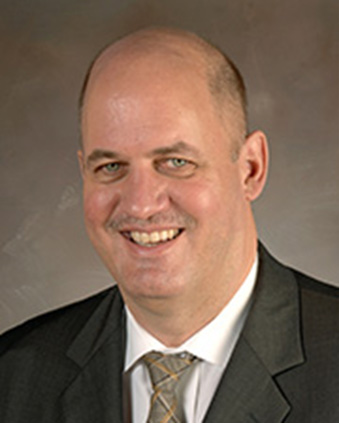
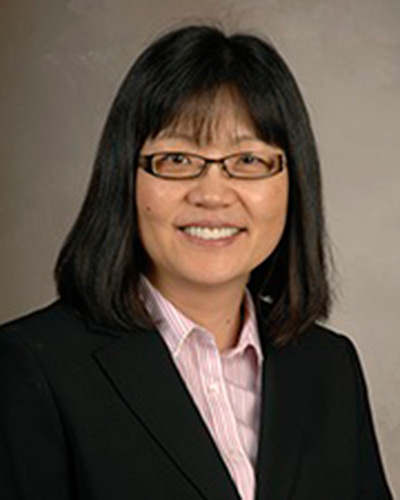
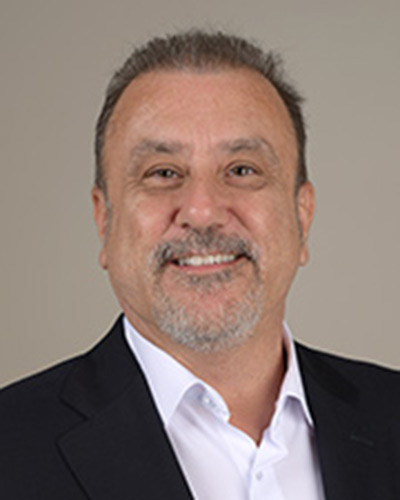
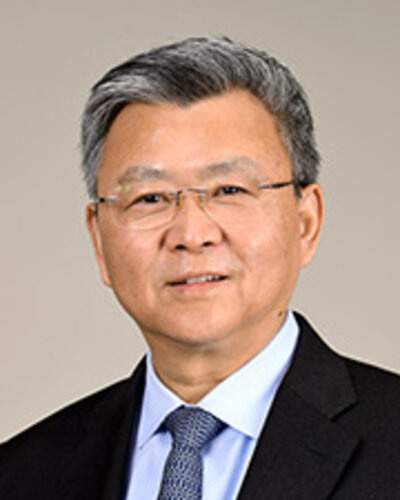
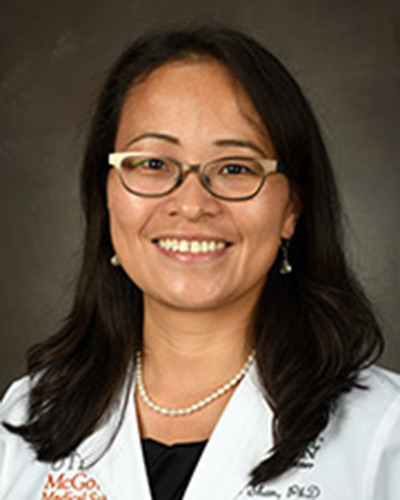
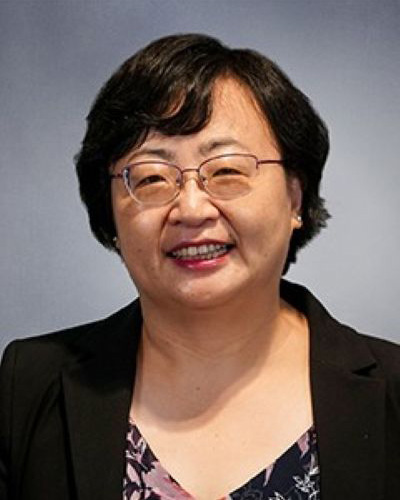
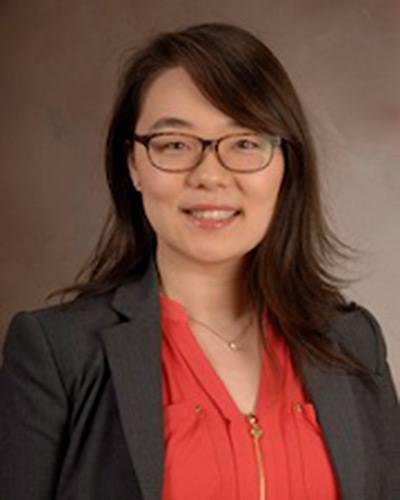
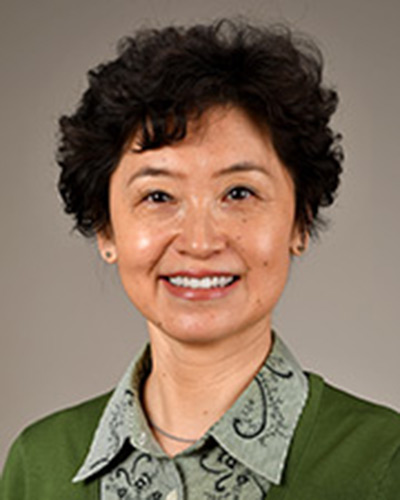
Meet Our Leadership
The IPM combines different strategies to make progress toward this front. Research strategies include the following approaches:
- Molecular studies in primary or cultured cell systems.
- Studies of acute organ injury in mice, including acute lung and kidney injury, myocardial and hepatic injury, intestinal inflammation, and sepsis.
- Studies in genetic mouse models. We have a library of 131 strains, with 1 background strain and 130 transgenic lines.
- Translational studies in tissues and body fluids derived from patients with organ injury.
- Clinical risk assessment studies.
- Randomized, clinical trials to examine novel approaches to treat or prevent perioperative organ injury.
- Comparative effectiveness trials to examine best clinical practice approaches to treat or prevent organ injury in surgical patients.
Some of the key elements of this program include:
- Defining novel and exciting ways to prevent or treat acute organ injury in a wide set of diseases and patient groups (for example the heart, liver, kidney, lungs, intestine, brain, sepsis, multi-organ failure, and in diabetic patients)
- Integration of different departments and institutions in the medical school (e.g. anesthesiology, surgery, orthopedic surgery, critical care medicine, emergency medicine, pediatrics, transplantation, hepatology, pulmonary medicine, diabetes research, and oncology). We strongly believe that research does not have departmental borders. In our experience, the integration of different view-points represented by physician scientists from different clinical departments, as well as basic scientists with different backgrounds, sets the stage for truly cutting-edge and transformative research.
- Emphasis on research training—particularly of physician scientists and PhD scientists, and integration with the GSBS and MD/PhD training programs.
- Goal to help transition junior scientists to become independent researchers (e.g. K-to-R transition), and provide the platform for allowing scientists that recently achieved R01 funding to continue their success, renew their funding, and contribute to collaborative research efforts.
- Provide the collaborative environment that would allow for successful support by the NIH of collaborative research efforts (e.g. via the PPG mechanism, or multiple PI R01 grants) and grants that support research training (e.g. via the T32 mechanism).
MD, PhD
Chair, John P. and Kathrine G. McGovern Distinguished University Chair, Professor, Anesthesiology, Surgery, and Biochemistry, Associate Vice President, Translational Medicine, Director, Center for Perioperative Medicine
PhD
Professor, Vice Chair for Research, Joseph C. Gabel, M.D. Endowed Chair in Anesthesiology
MD
Professor, Assistant Vice President, Vice Chair and Director of Translational Outcomes Research
PhD
Associate Professor, Department of Anesthesiology
PhD
Professor, Co-Director of Center for Aging and Cognitive Dysfunction
MD, PhD
Professor, Vice President for Translational Perioperative Research and Innovation, Co-Director of Center for Aging and Cognitive Dysfunction
MD
Center Director, Perioperative Artificial Intelligence Research (Clinical Team), Professor, Vice Chair, Clinical Research, Department of Anesthesiology, Critical Care, and Pain Medicine at McGovern Medical School at UTHealth Houston
PhD
Center Director, Perioperative Artificial Intelligence Research (Healthcare AI Team), Professor, Director of the Center for TEAM-AI at McWilliams Biomedical Informatics at UTHealth Housotn, Vice President of Learning Health System at UTHealth Houston